


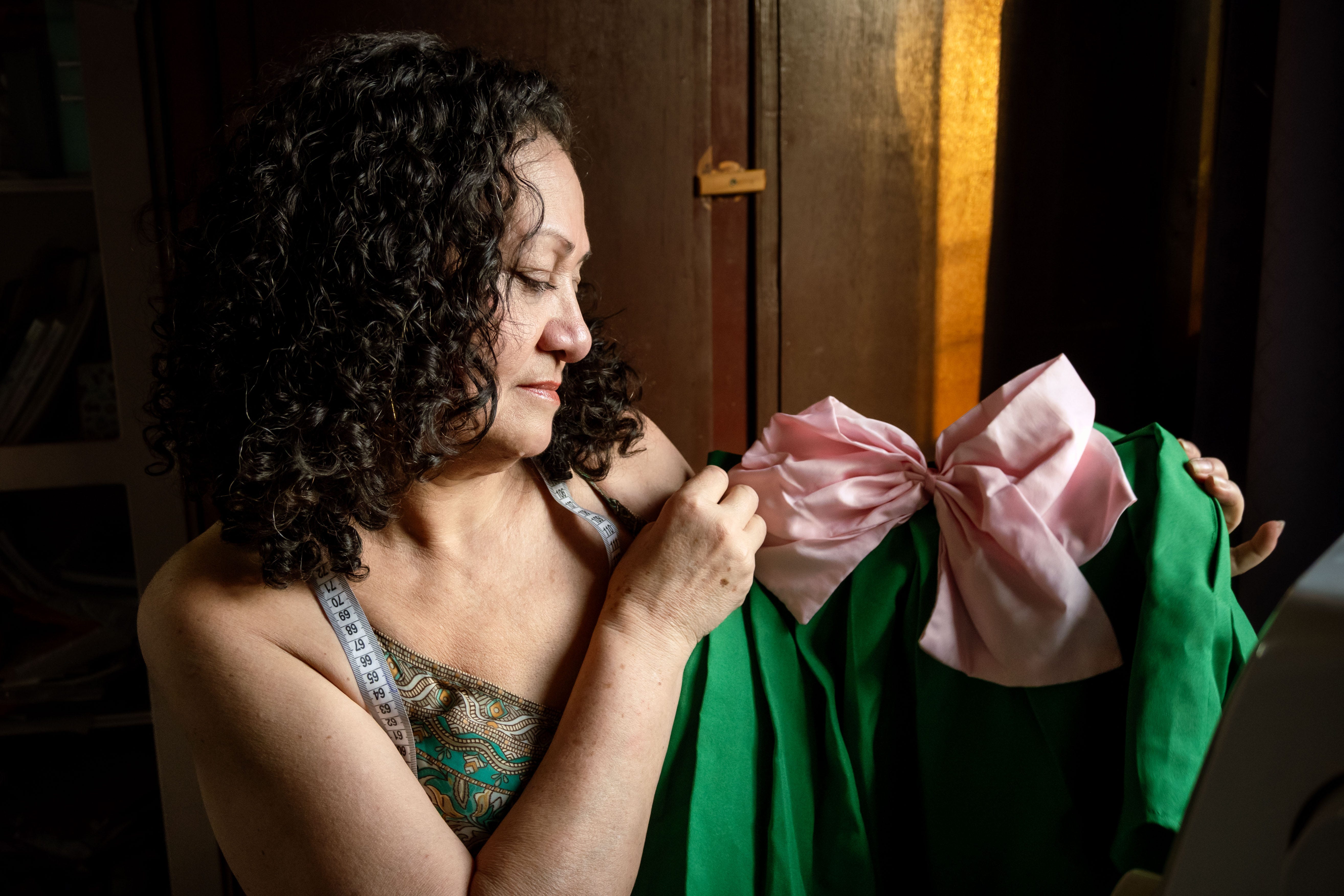
Sandra Paredes, a dressmaker and mother of four, loves making costumes. She plays with the details, gets lost in the process. Perhaps, she says, it’s because she was rarely allowed to play when she was a girl.
Sandra was 11, and her mother had recently passed away, the first time she left home. She spent two months working as a nanny with a family she didn’t know, caring for two girls even younger than her.
The second time was longer, and much harder. When she was 13, she moved into another family’s home in Luque, on the outskirts of Paraguay’s capital, Asunción. She worked there, without pay, until she turned 18.
At first, the job was the same — looking after the children — but she ended up doing everything: cooking, cleaning, washing clothes.
“My parents said they told them that I wanted to stay in school,” recalls Sandra, now 56. “But they never let me study. They were supposed to dress me, but they only bought me second-hand clothes. And I went above and beyond for them, especially for the kids.”
Sandra, like thousands of Paraguayan children to this day, was a criada.
Under this traditional practice, known as criadazgo, kids from poor backgrounds are sent to better-off families to work as live-in, unpaid help. Usually, they’re promised food, schooling, and a roof over their head in exchange.
Conservative voices, including senior government figures, say the custom is positive — and as fundamental to Paraguayan identity as tereré, the cold infusion of yerba mate that many locals drink every day.
But the families that host criadas often fail to hold up their end of the deal. And amid a growing campaign to end the practice, critics argue that criadazgo is tantamount to forced child labour — and leaves children vulnerable to violence and sexual abuse.
The centuries-old tradition, survivors say, also splits families apart, producing trauma that ripples down the generations. In some struggling households, some or even all the offspring become criadas.
“When my eldest sister went to another family, the pain was immense,” Sandra recalls, her eyes clouding with tears. “For us, it felt like she had died, you know? Then, when I left, my younger sisters felt the same.”
“That’s how we all went, one by one,” she adds. “I honestly wouldn’t wish it on anyone.”


The origins of criadazgo, experts say, lie in the colonial period. The Spanish conquistadors that founded Asunción in 1537 shared out Indigenous children to serve their households: a practice known as naboría.
The War of the Triple Alliance (1864–70) against Brazil, Uruguay and Argentina — which wiped out nine in ten of Paraguay’s male population — left huge numbers of orphans to seek shelter in unfamiliar households.
Amid the wars, dictatorships and mass exiling of political opponents in the twentieth century, the practice became even more normalised. The most recent government survey, in 2011, found that roughly 47,000 Paraguayan boys, girls, and teenagers were living in a situation of criadazgo.
Camila Corvalán, a sociologist and researcher with the NGO Enfoque Niñez, says criadazgo represents a “complex violation of human rights”, falling somewhere in between labour exploitation and human-trafficking.
Families often send their kids away in the hope of a better life, she adds, because they’re desperately poor and government help is all but absent.
Sandra recalls how her stepmother mistreated her, and how leaving home was almost a relief: “In the end I wanted to be anywhere else, because at least we ate and had clothes.” But forty years later, she still bitterly regrets not being allowed to stay in school.
And Corvalán explains that criadas often find themselves trapped in “violent and exploitative situations that are far worse” than where they came from.


According to Paraguay’s Ministry for Children and Adolescents, in June 2026 1,264 calls were made to a helpline recording human rights violations against children, including lack of care, mistreatment, and sexual abuse.
In 2020, the ministry discontinued a dedicated phone number for reporting cases of criadazgo. But in an interview in the same year, one top official said that the number of criadas was likely on the rise due to the economic fallout from the Covid-19 pandemic.
One 2016 government report found that in 59 cases of criadazgo reported to the helpline in the previous two years, 47 involved young women and girls.
“There’s clearly a question of gender behind all this,” says Corvalán. “There are very fixed ideas about what a woman can aspire to, beyond being a servant.”
“For me, that’s the word at the core of criadazgo,” the researcher adds: “Servitude.”
A forced choice
Campaigners say Paraguay is violating multiple laws — both internationally and at home — by failing to curtail criadazgo.
Article 54 of Paraguay’s constitution requires the state to ensure the “harmonious and holistic development” of children and protect them against “abandonment, malnutrition, violence, abuse, trafficking and exploitation.”
Law 57/90, in line with the 1989 UN Convention on the Rights of the Child, similarly requires the authorities to guarantee the wellbeing and participation in society of every child in the country.
But research by Enfoque Niñez indicates that even children who have supposedly been protected by court orders after suffering violence at home have ended up as criadas in other households.
Corvalán has also found that the phenomenon has mutated due to new technologies. If Sandra’s generation of criadas lost contact with their families for years, criadas today often have mobile phones and are in constant connection: although this can produce other kinds of violence and control.
“Criadazgo today is a teenager who has agency,” she explains. “She’s someone who decides, even though it’s hard to hear it, [to be a criada] as an escape from economic precarity, when faced with a system that can’t keep her in school and doesn’t train her for work, and a culture that says that her body and physical labour is the only thing she has to offer.”
According to a 2025 government household survey, 44,261 Paraguayan children and adolescents — 5.3% of the total — are engaged in some form of work.


CONNATS, a nationwide union of child workers, defends the right of young people to earn a living — but is categorical that criadazgo is a forced labour and a crime.
“Work is supposed to help you grow, to learn, to improve yourself, and help your family,” says Fabiola, a passionate 17-year-old who is one of the union’s spokespeople.
Criadazgo — she says via videocall from Ciudad del Este, on Paraguay’s border with Brazil — does the opposite by starving young people of opportunities to play, study, and socialise.
Junior Fernández, Fabiola’s 15-year-old brother, says their peers need to be taught to identify and prevent situations of criadazgo. The government, he adds, should support families so giving their kids away doesn’t feel like their only option.
Also on the other end of the call is Doris Ramírez, a social worker and the coordinator of Callescuela, a non-profit that supports child workers. She describes how CONNATS is sparking conversations about criadazgo through workshops and talks with parents and young people.
”We need to overcome the idea that criadazgo is somehow beneficial for families or kids,” she says. “Junior and Fabiola are clear on that, because they’ve been building that awareness.”


But Ramírez cautions that families from the countryside sending their children to live with relatives in the capital to get a better education shouldn’t be tarred with the same brush as criadazgo.
“In our communities, there often aren’t public schools or even private ones,” she explains. “That’s why many people migrate and are uprooted, but as part of solidarity between families.”
A failed legislative attempt
In 2024, members of Paraguay’s opposition proposed a law that would have enshrined legal protections for children against criadazgo.
Sponsored by congresswomen Johanna Ortega and Dalia Estigarribia, and drafted in collaboration with non-profits, government ministries, and children and young people, the bill took a holistic approach to the issue.
It sought to reinsert criadas in the school system, spread awareness among teachers, government officials and community leaders, and offer livelihoods to low-income families that might otherwise send their children away.
But in May 2025, Paraguay’s senate rejected the proposal. One of the most vocal opponents was Senator Gustavo Leite: a senior figure in Paraguay’s governing Colorado Party, who recently served as the country’s ambassador to the US.


“This law is anti-nature, anti-Paraguay, and against Paraguayan culture,” Leite argued at the time, comparing criadazgo to football and tereré.
Contacted by The Paraguay Post, Leite said Paraguay already has laws that protect children and teenagers from abuse, and that efforts to eliminate criadazgo belong to a foreign agenda.
“The ideas of other cultures can’t be imposed on Paraguay,” added Leite, who has in recent years backed bills seeking to clamp down on NGOs and so-called gender ideology. “I’m not in favour of child abuse, far from it, but nor should we apply globalist ideas.”
Ortega, the congresswoman, called such arguments excuses from the conservative movement that has dominated Paraguayan politics since the late 1800s.
“They’re the same people who have historically been complicit in propping up this system of exploitation and inequality,” Ortega told the Post. “There’s an elite that still thinks that poor girls are destined to be their criadas or servants.”
The lawmaker with the centre-left País Solidario party said Paraguay’s government describes itself as “pro-life” and “pro-family” to win votes, but has failed to take meaningful action to protect households from being split apart.
”If it’s a bill proposed by the opposition, they’ll take any excuse to vote it down”, Ortega adds.
Transforming pain into purpose
Some of those who experience criadazgo have gone on to seize greater opportunities: and refuse to let it define them.
Tina Alvarenga spent eight years working as a criada for a Paraguayan couple from the age of 10. Now 60, she’s an anthropologist, an activist for the rights of children and Indigenous women, and irrepressibly joyful.
Alvarenga was also one of the first criadas to write and publish about her experiences, including in a volume in the early 2000s that lightly fictionalised survivor’s stories called Criadazgo: How Much Longer?
“Sometimes people say to me, ‘but if you hadn’t been a criadita you wouldn’t be where you are today,’” Alvarenga tells the Post. “I think I would have clearly always been more than a happy housewife and mother.”
Alvarenga, unlike many other criadas, did receive schooling while living away from her family. And she says education has helped erode the practice in recent decades.
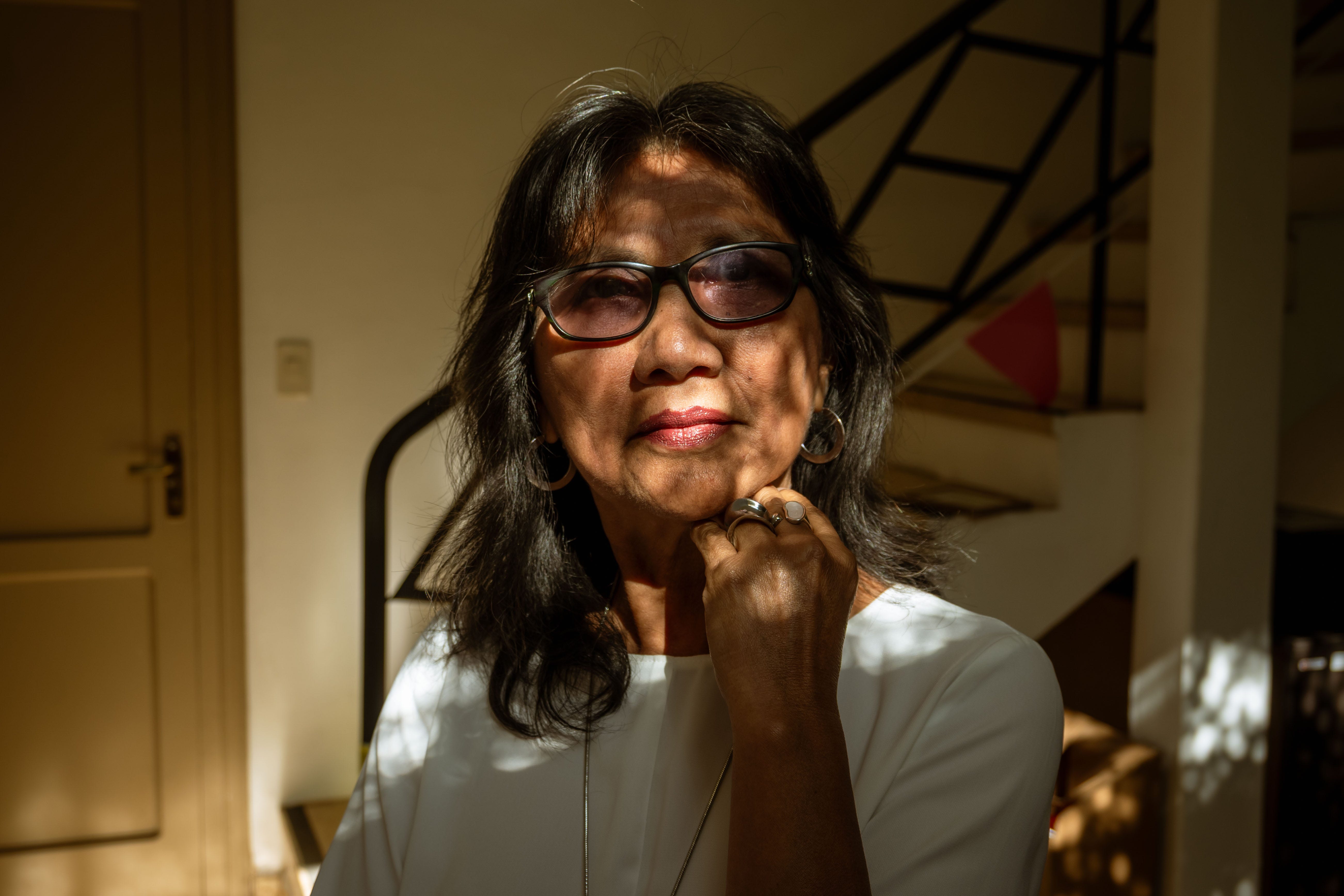
At the turn of the millennium, the activist together with Global Infancia launched a campaign bringing together lawmakers, government ministries, churches, and schools to change public opinion about criadazgo.
”The teachers were fundamental to that transformation, because to begin with they also had criaditas,” Alvarenga recalls. “Once they understood the reality, things began to change.”
Still, campaigners and researchers say it’s common to hear people defend the practice: and for host families to say they treat their criadas “like another daughter.” Survivors, meanwhile, rarely say they felt that way.
“Your real daughter doesn’t get up at five in the morning and go to bed at 11 at night,” Corvalán, the sociologist, emphasises. “She doesn’t skip school because she needs to look after the baby.”
Beyond a specific law that prohibits criadazgo, specialists say Paraguay needs to commit more public policies and resources to support families with limited income and few opportunities.
The Paraguay Post asked the Ministry for Children and Adolescents about its efforts to support current and former criadas and their families, but didn’t receive a response by the time of publication.
Healing an inherited trauma
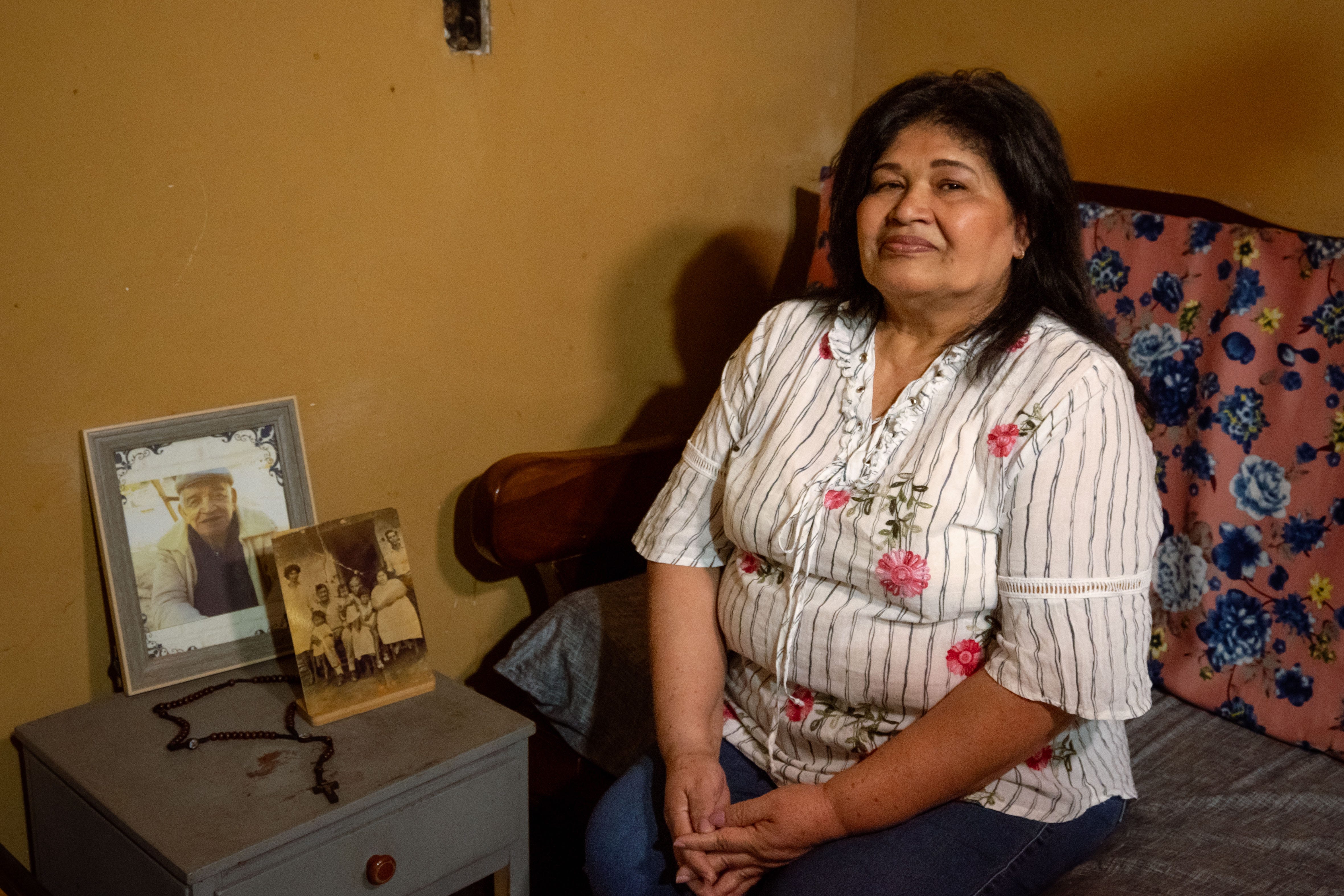
Rosita Del Valle, a 33-year-old filmmaker, struggled to understand her mother, Julia. She carried a deep sadness that her daughter couldn’t reach.
In 2024, Rosita based her university thesis on her mother’s life. The result was Lula, a documentary short based on Julia’s early experiences as a criada. She was mistreated, often went hungry, and wasn’t allowed to finish school.
“I’m still suffering,” Julia relates in the film. “I wanted to be someone in life, but I couldn’t.”
“I would have liked to be a teacher, a nurse, or a doctor,” she adds. “I begged to be given time to study but they told me, ‘no, go somewhere else if that’s what you want.’”


Rosita, in common with many children of survivors of criadazgo, condemns the practice as violent, and says it had severe consequences for her mother. She hopes in the coming years to produce a fictionalised film to explore the issue in depth: her way of raising awareness about the issue.
When she completed her degree, her professor told her something that stayed with her: that as the daughter of someone who was denied the chance to flourish, she was now ending the cycle.
“That’s how it felt,” Rosita recalls: “Like breaking a chain.”
Ending criadazgo will involve helping criadas look to their future beyond domestic work — giving them hope, opportunities, and greater prospects. Young people like Fabiola, of the child workers’ union, are also writing a new script for their generation.
”I dream of Paraguay being free from violence against boys, girls and teenagers,” she says. “And for the spaces where decisions are taken to really listen to us.”
“It’s difficult to talk about something that matters to us,” she adds, “and create public policies that benefit us, if we don’t even have a seat at the table.”
Editing and translation by Laurence Blair.
Additional reporting and editing by Norma Flores Allende.
Want to take action on criadazgo? The Paraguay Post has five suggestions:
Find out more: Read the investigation Antiguas costumbres, prácticas nuevas. Intervenciones frente al criadazgo en el siglo XXI.
Call it out: Report a case of child abuse by calling the free hotline Fono Ayuda 147. You can also visit the local CODENI (child protection office) in your district.
Lend a hand: Support the activism of children and young people in CONNATS. If you’re a child or teenager, you can also join the organisation.
Join the campaign: If you’re a resident or citizen of Paraguay, you can lobby your lawmaker for change by following this link.
Dig deeper: The Paraguay Post depends on readers like you. Support us from just $5/month so we can keep bringing you the stories that matter.