


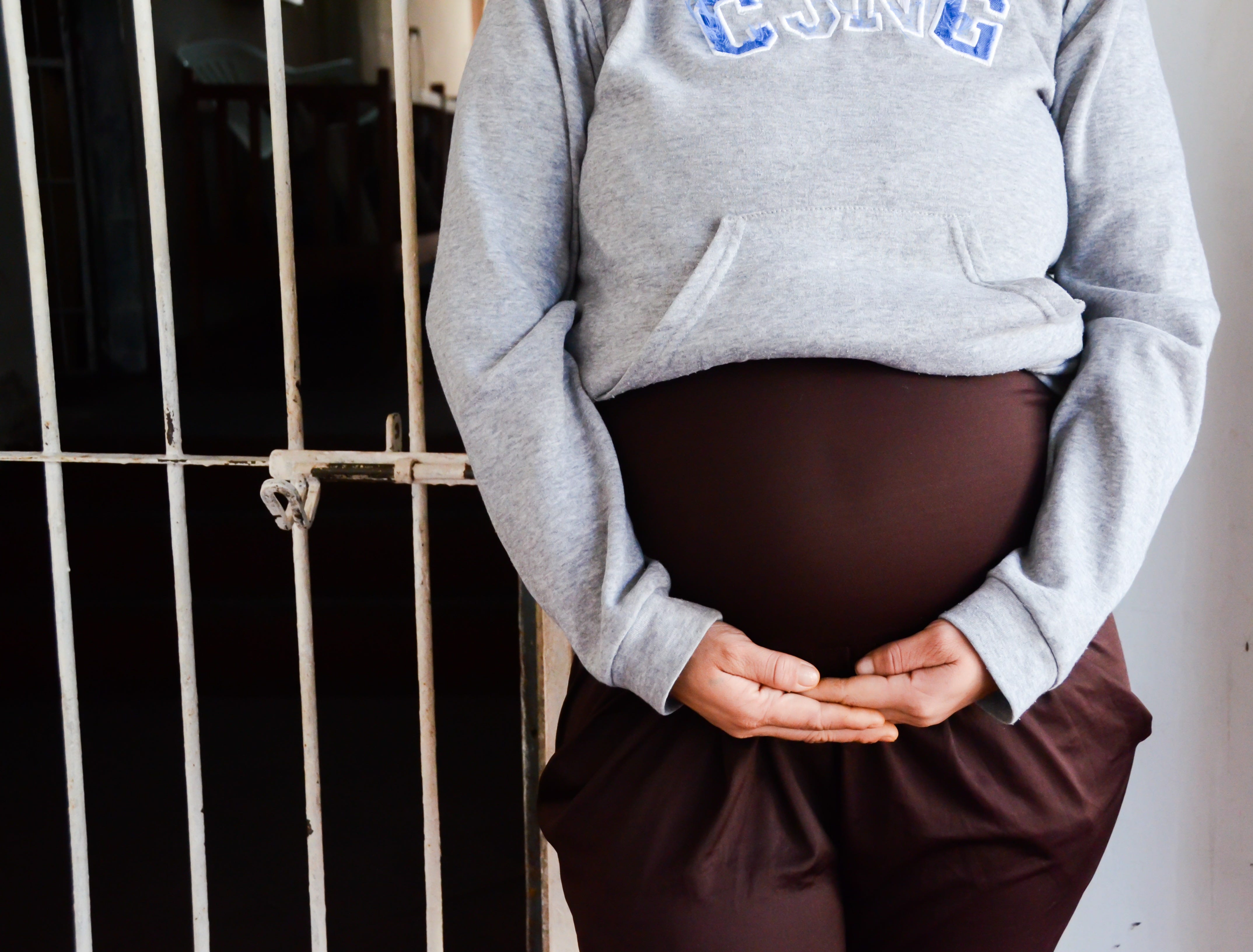
An unusual winter chill penetrates the corridors and patios of the Casa del Buen Pastor, Paraguay’s main prison for women. It’s July, and Clara* scans the cracks in the walls, as if they were a map of her eight years locked up.
In a calm voice, she explains that she was jailed for homicide. Her then-boyfriend planned someone’s murder. An official psychologist’s report found that she made him do it. The boyfriend got 18 years. She got 24.
But her life, shrunk to the humdrum routine of confinement, was turned around two years ago when her son was born. She was transferred from the jail in the town of Villarrica – which had no facilities for babies – to the Buen Pastor in Asunción, Paraguay’s capital.
Being a mum in prison means scraping by, day by day. It’s not a place designed to raise kids. Still, she had to learn.
“A judge ruled that my son can stay with me here, because my mum can’t look after him. She’s doing chemo,” says Clara, sitting down to an interview with The Paraguay Post in the prison’s chapel, her words echoing off the splintered pews and damp-ridden walls.
The words of one former director of the prison, as relayed by Clara, echo in her head like a whiplash: “I didn’t give you permission to open your legs and get knocked up.” The wardens took away their milk and diapers; the mothers had to fend for themselves, eating leftovers.
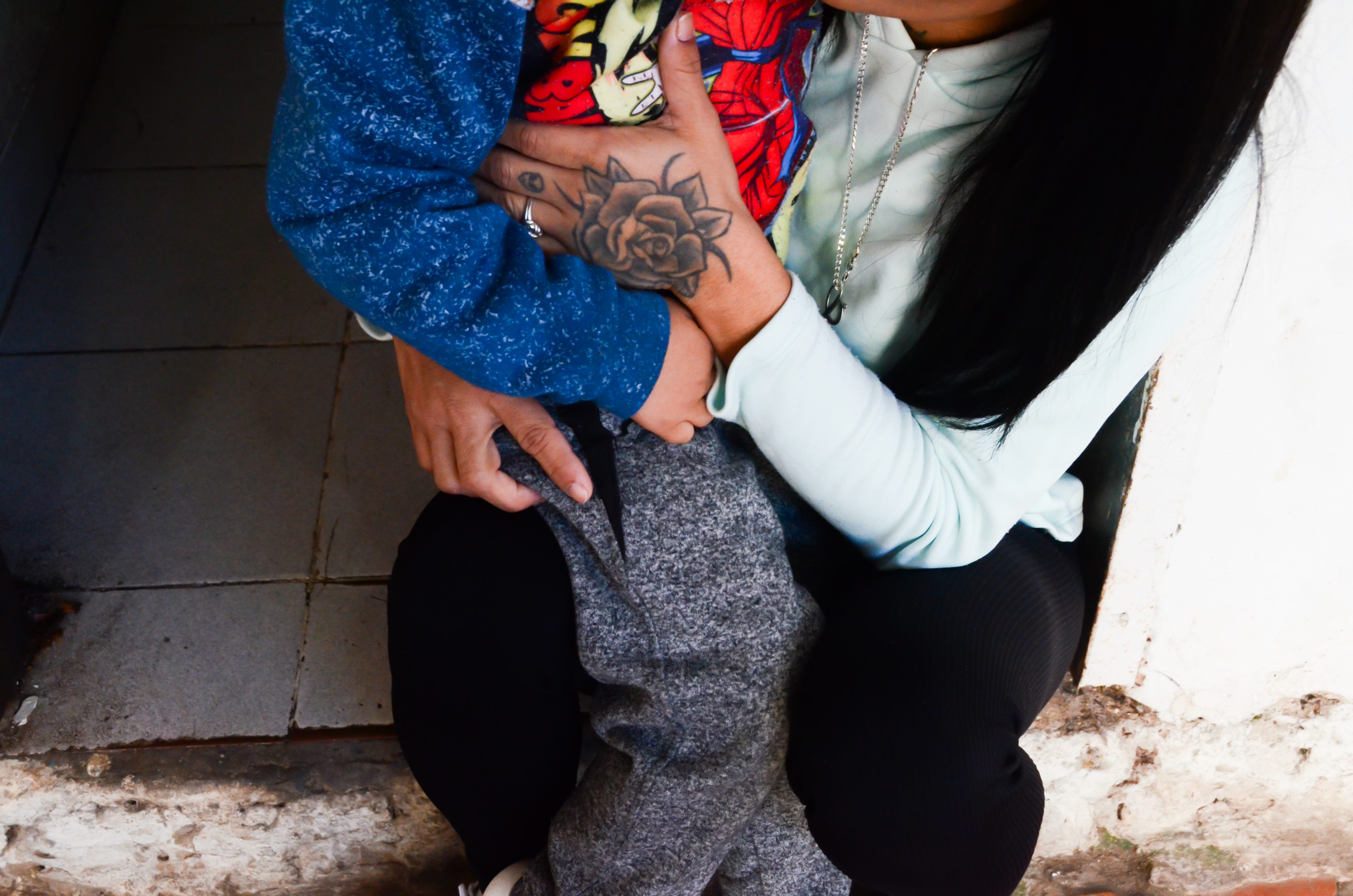
Today, with her toddler at her side, she’s in her second year of a remote law degree. “I’ve got prior experience, given that I’m here,” she says, with a hint of irony.
Of crime and crèches
As of end-September, just under 20,000 people were behind bars in Paraguay: 1,188 of them women.
As the country’s jails are stuffed to breaking point, politicians denounce drug cartels growing marijuana and trafficking cocaine through Paraguay as “terrorists,” and the press lavishes attention on male kingpins like Armando Rotela, Macho, and Cabeza Branca.
Meanwhile, the six percent of the prison population that is female rarely enters the discussion: especially when they’re mothers.
This invisibility means that critical issues – like their sexual and reproductive health, sexist violence at the hands of guards, unsanitary conditions, and the care of their children – fall way down the list of official priorities.
Nationwide, around 38,000 children and teenagers have at least one parent in detention. Of some 800 inmates interviewed in 2024 by the Mecanismo Nacional de Prevención de la Tortura (MNP) – an independent state body that monitors prisons – 88% had kids. Over half said they were never visited by their children, nearly all of whom were being cared for by relatives. Only a third said their partner was looking after their offspring.
Separating children from their parents runs contrary to Paraguay’s Children’s Code, which requires the state to always prioritise child wellbeing. The International Convention on the Rights of the Child likewise requires signatories – including Paraguay – to demonstrate why breaking up a family benefits, rather than harms, the child.
But in Paraguay, this obligation is rarely observed. When a person is detained, they are typically uprooted and cut off from their families: especially for foreigners and Indigenous peoples, whose support networks lie far away.
Prisoners’ kids usually remain in the care of relatives or nearby adults: but without formal guardianship, or guaranteed rights to visit their parents. Amid the legal grey areas and hasty judicial decisions, families are often fractured.


“The worst pain”
When a woman becomes a mother while in prison – whether from a conjugal visit, or a pre-existing pregnancy – time stops being measured in days left, and starts consisting of feeding schedules, broken sleep, and the constant fear that the state might, at any moment, decide to separate her from her child.
The law says female prisoners can live with their children until they turn four, and that they are entitled to a kindergarten with trained staff. Then, they have to be given up. In the absence of another parent or capable relative – as is often the case –the children are sent to an institution or adopted. For their mothers, it’s a process as painful as it is long.
Sometimes months or years pass before they are reunited. One woman describes how, when her little girl was first taken to visit her in prison, she clung to the bars and didn’t want to come in: “‘You’re not my mum,’ she said. And that’s the worst pain that a mother can feel.”
Another inmate, Karen, has been imprisoned for four years for alleged aggravated robbery. She’s one of the 47% of women prisoners in Paraguay who have yet to face trial – a figure that rises to 62% among men.
Karen looks worried: because of his age, she knows that her days with her eight-year-old son are numbered. For a while, he lived with her mother on the outside. But she’s also undergoing cancer treatment and struggled to keep an eye on him. For now, he’s back with his mum in the Buen Pastor, where Karen says he’s safest.
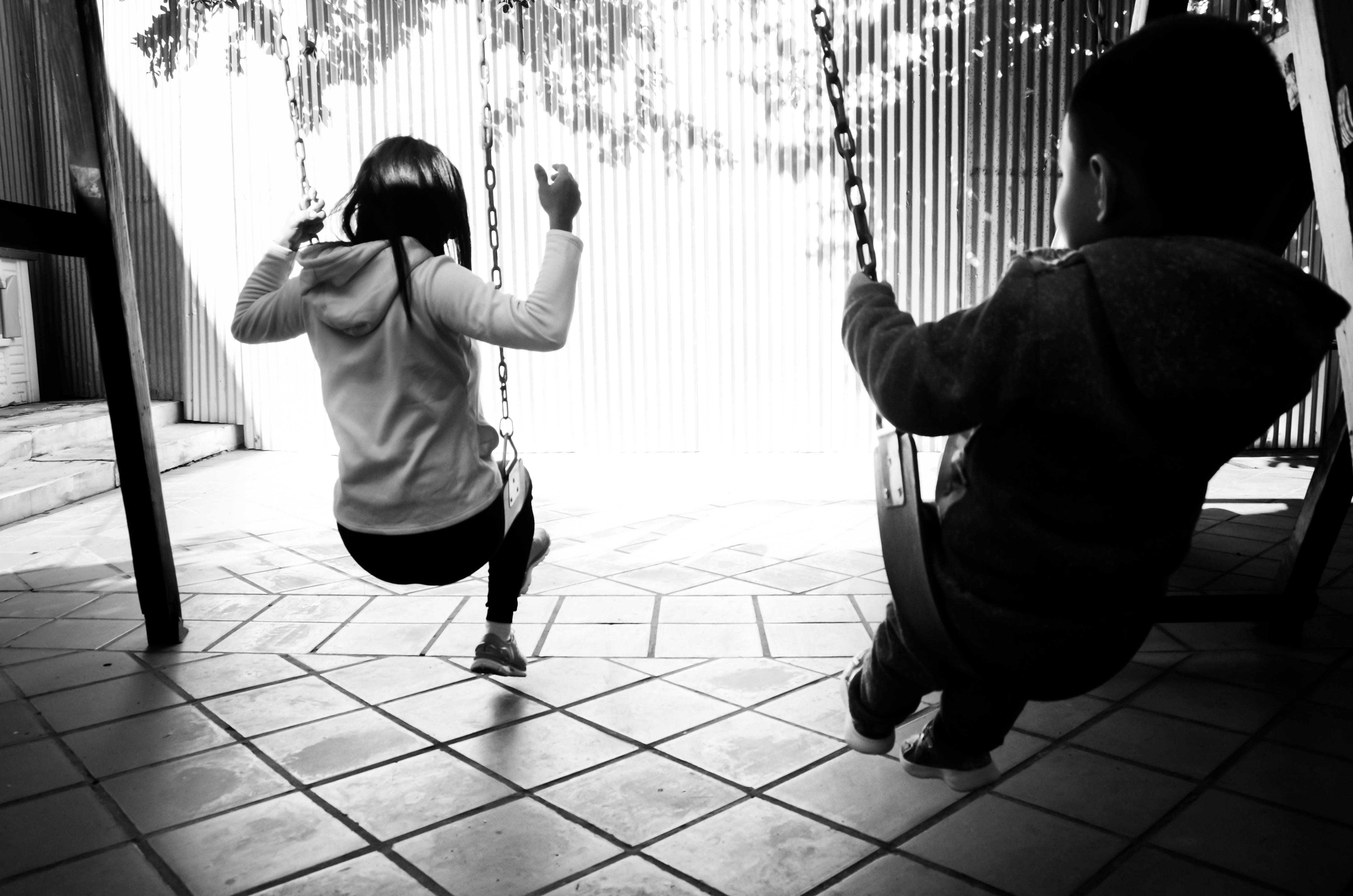
“The other day, he went to visit his grandmother, and he burnt his fingers on a candle,” she explains. “Here, we don’t even let a mosquito bite our kids. We cook for them, we watch cartoons, we play together in our room, we take them out to the courtyard,” she adds.
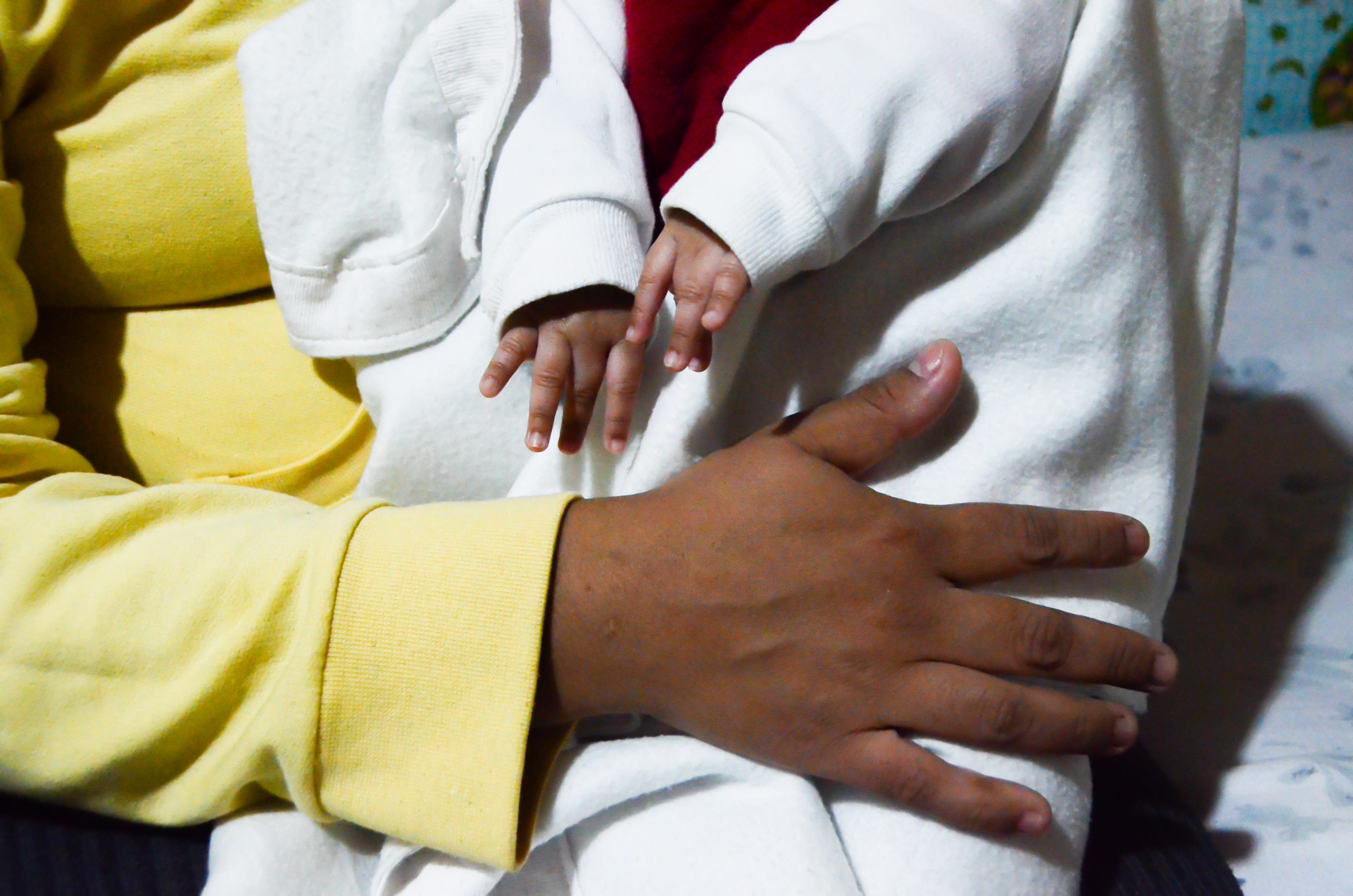
From beside her comes the soft breathing of a baby, sleeping on the lap of her mother: another inmate. Their children, they say, keep them anchored and help them forget – if only for a moment – that their world is an island of concrete.
Until recently, that was the routine in the “Amanecer” or Sunrise wing of the Buen Pastor. It had a separate exit to the outside world, a wide patio where the kids could play, and basic programme of health check-ups and early stimulation.
As of December, according to partial data covering three major prisons gathered by the MNP, at least 22 women prisoners in Paraguay were living with their children behind bars. A further six were pregnant. In the absence of official, nationwide statistics for all the country’s detention facilities, the total figure could be higher.
The day before the Post visited, another inmate gave birth inside the Buen Pastor.
Don’t work, don’t eat
It’s a very heavy burden / to be poor and be a woman. So wrote the Paraguayan poet and Communist dissident Carmen Soler, who was tortured by the dictatorship of Alfredo Stroessner (1954-89). Her words ring true for the many Paraguayan women doing time for drug-related offences in Paraguay.
Almost all are single mums or widows, raising small children on their own. Most only just scraped through elementary school; some never went to school at all. Four out of ten of Paraguay’s female prisoners are locked up because of Law 1340/88, which outlines sentences of up to 15 years for those convicted of possession, supply, or trafficking. Of this group, 55% have yet to face trial.
A report by the MNP in March 2024 found that many women prisoners began to sell small amounts of drugs because it was one of the few jobs they could do from home while looking after their kids. Others were pressured by their partners, or became addicted themselves.
Some are foreigners used as “mules,” paid or forced to transport drugs across borders inside their bodies. They tend to be the loneliest inmates, knowing that years without any visits by friends or family await them.
Interviews conducted by the Post suggested that few were ever at the pinnacle of organized crime. Rather, they were on the margins, disposable. Still, they’re the ones that face the full weight of the law in a system that separates the crime from the circumstances.
For the MNP, Paraguay’s anti-drug policies are disproportionately punitive: severe sentences for lesser infractions, near-automatic use of preventive detention – and hardly any chance of getting a jail sentence commuted for alternatives like house arrest, or being let out on early release for good behaviour.
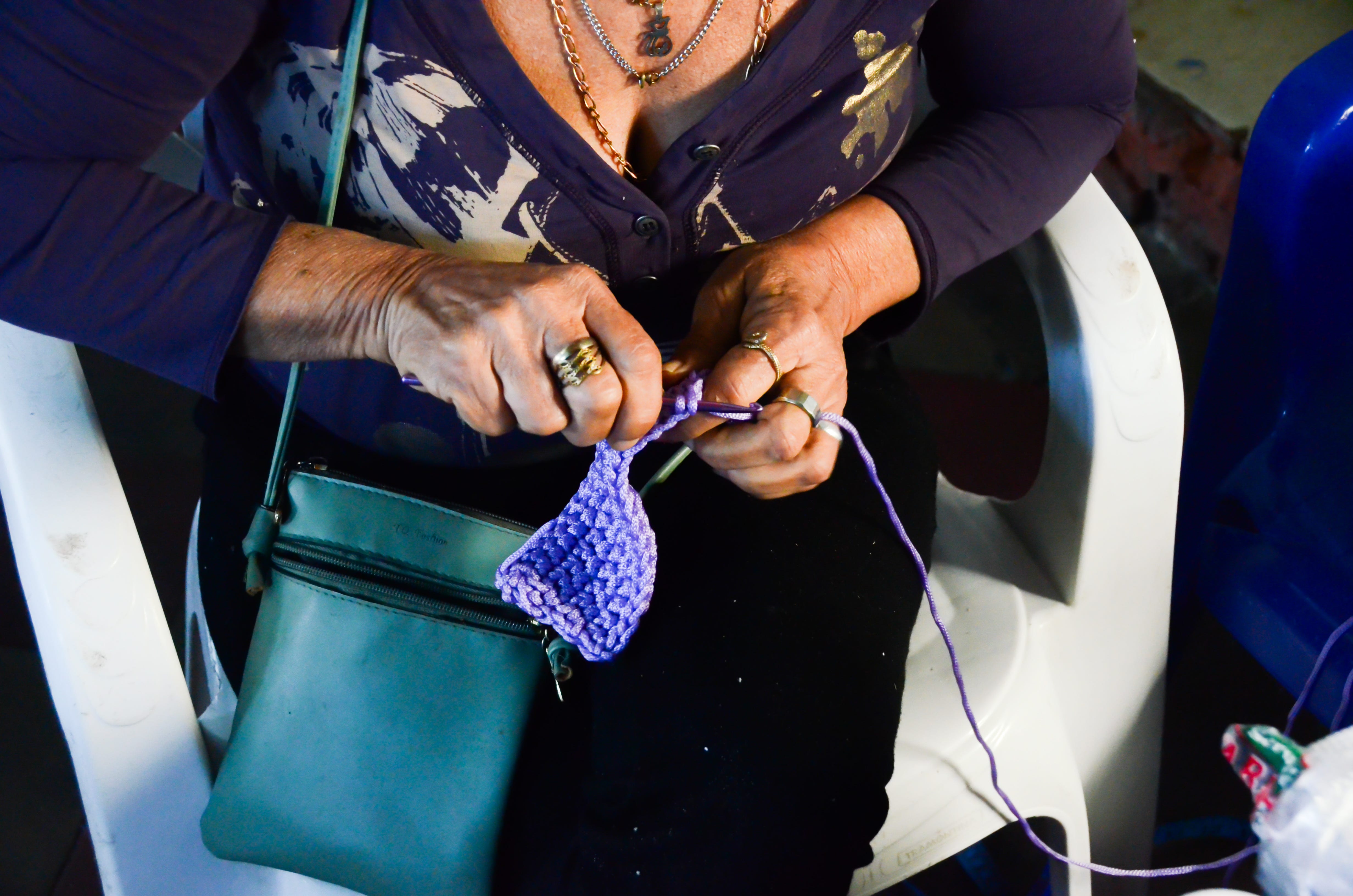
Being a woman, a mother, or a breadwinner, doesn’t get you off the hook, either. As the then-Justice Minister Carla Bacigalupo remarked in 2016, 90% of Paraguay’s female prisoners “prop up their home with some kind of work” – like sewing, cooking, or making toys – while in jail.
A fresh start?
Formerly a refuge founded by nuns in 1919, the Buen Pastor was turned into a detention centre for political prisoners by the Stroessner regime in 1970.
Known for its warren of narrow cells and patios, the high walls and barbed wire of the Buen Pastor were long a fixture overlooking the major Asunción avenues of Mariscal López and Choferes del Chaco.
That was until this this October, when Paraguay’s president Santiago Peña took the decision to close it. Most of the Buen Pastor’s inmates, 553 women, were abruptly transferred to newly-built prison in Emboscada, a small town 25 miles away. They were joined by a further 111 women from smaller detention centres.
Paraguay’s justice ministry said that the new facility – known by the initials COMPLE – boasted “modern, safe, and gender-focused installations”, and that the relocation formed part of efforts to build a “fairer, more inclusive, and more transformative prison system.”
“From this moment, we have eliminated overcrowding in womens’ jails,” Justice Minister Rodrigo Nicora added.
But complaints were quick to surface.
Press reports said the cells had no AC or fans (summer temperatures in Paraguay typically climb past 35°C / 95°F). Following a fact-finding mission to COMPLE on October 8, the MNP reported that dozens of the transferred women had been locked inside for days with no access to fresh air.
Upon arriving, the inmates were shouted at and bullied: part of a “militarised” regime which sowed fear and uncertainty. Their cells were dirty, and filled with mosquitoes. The bathrooms were dilapidated. The women said it was all but impossible to contact their relatives.
Many reported that there wasn’t enough water to wash with; that there weren’t enough hygiene products; and that their food lacked fruit and vegetables, was served at unpredictable hours, and was prepared without attention to dietary restrictions.
Most of the pregnant inmates and those living with children were transferred to the Serafina Dávalos Penitenciary Centre in Coronel Oviedo, 90 miles from the capital. Just days after the reports of inhumane conditions emerged from the COMPLE, Nicora was filmed visiting the Serafina Dávalos facility.
Clips posted on government accounts, and shared by President Peña, showed the minister chatting with kids and walking through classrooms, well-appointed playrooms, and leafy courtyards. The jail, Nicora argued, represents a “different model” for women prisoners with or expecting children.
Dignity in detention
The authorities say that the closure of the Buen Pastor “marks the end of a historic debt” to Paraguay’s women prisoners. That detention now no longer means the loss of dignity.
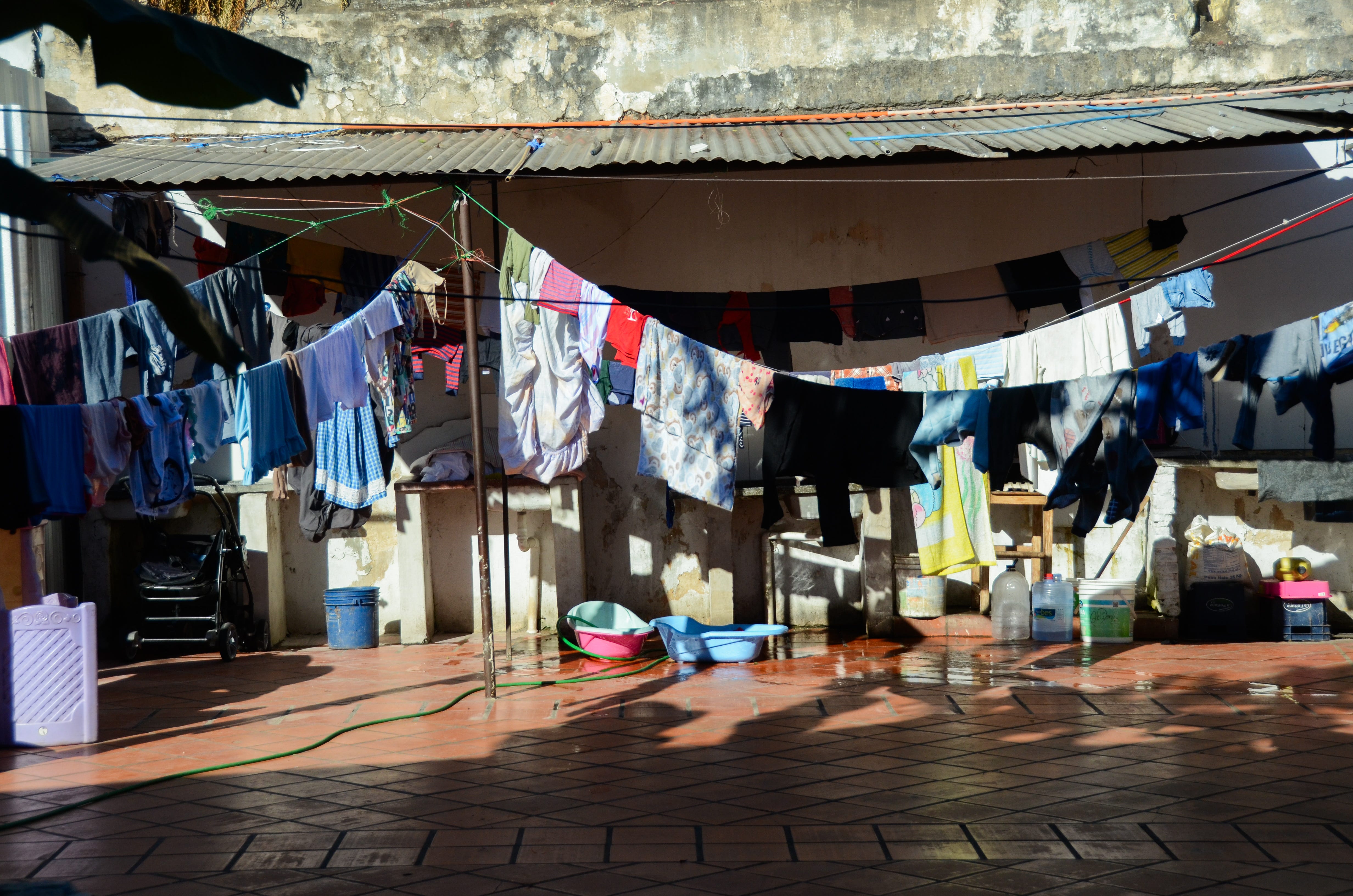
But back in the Buen Pastor, the women had organised when the state was absent, sharing out milk, clothes, and diapers when outside donations weren’t enough. They looked after each other following births, took shifts so mothers of infants could get some rest, and cooperated even as their close confinement sometimes sparked confrontations.
“Five of us mums slept with their babies in one room,” recalls Sonia: serving time for dealing small amounts of drugs, and seven months pregnant with her second child as she speaks to the Post.
“I didn’t know how to wash my baby, everything hurt. My mum visited, she helped me, she told me off,” Sonia adds. “I was afraid, but I learned everything here.”
*Inmates’ names have been changed for their safety and privacy.

Thank you for this painful yet necessary piece of reporting. Reproductive justice must include the women whose fates most people would prefer to ignore.