



TOP STORY
The Post Presents: Parts Unknown & Los Paraguayos
by Laurence Blair
“For most people, Paraguay is an empty space on the map of Latin America,” a voice intones, over shots of a dustblown downtown Asunción.
The country is best known, the narrator continues, as a “refuge for fleeing Nazis and a long line of extremely unpleasant dictators”, where even the guidebooks tell you “to buy a gun.”
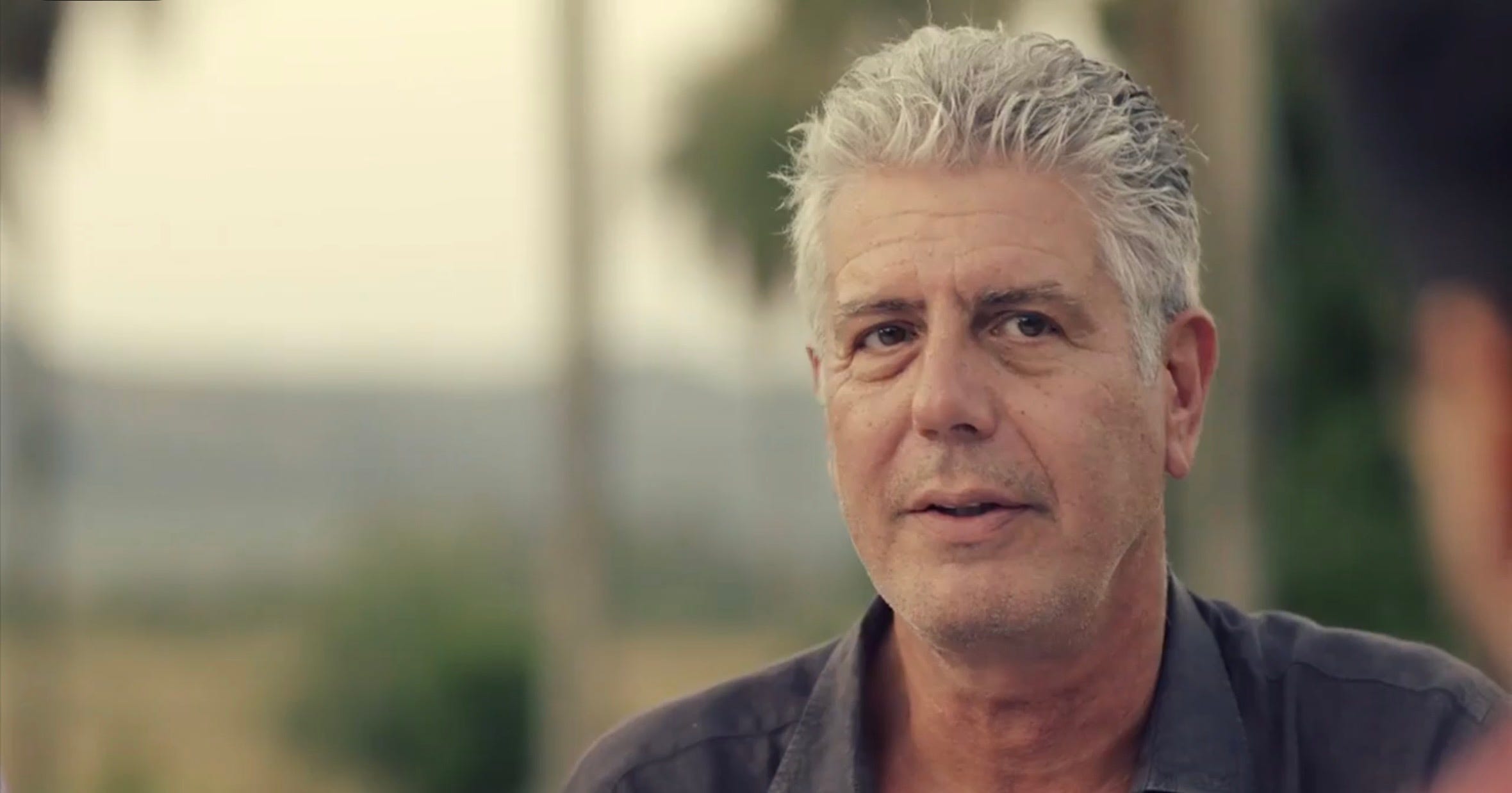
Cue harp music, and a freewheeling 40-minute documentary in which Anthony Bourdain gently challenges the clichéd version of Paraguay as a dangerous, godforsaken den of vice.
UNA INVITACIÓN: El jueves a las 19h en CheckPoint Bar (Palma casi Caballero), proyectamos dos documentales — Parts Unknown de Anthony Bourdain en Paraguay y Los Paraguayos de Marcelo Martinessi— y debatimos la ola migratoria que está transformando el país. Entrada libre y gratuita!
Bourdain said this 2014 episode of his popular CNN travel show Parts Unknown — which The Paraguay Post is screening tomorrow with our friends at Cineclub Itinerante — was some of his crew’s “best work”.
The globetrotting chef samples fish stew in the Mercado Cuatro and tries sopa paraguaya, Paraguay’s famously solid soup. He wolfs down a lomito at a roadside copetín (“all my greasy meat dreams have come true”).
And he heads upriver with a cigar-smoking East German exile — friend of the Post Peter Gardner — coming across a shotgun-wielding capybara hunter in a rowboat and the detritus of a failed French colony called Nouvelle Bourdeaux.
The show has a deeply personal dimension, too.
The “spine” of the documentary, Bourdain later wrote in his fieldnotes, is a quest to find his lost great-great-grandfather: a French hatmaker called Jean Bourdain who reputedly emigrated to Paraguay in the 1850s.
And Bourdain, then 58, also seems to be searching for solace amid the glare of global fame.
Over beef empanadas at the storied Lido Bar, the Kitchen Confidential author tells a private investigator called Pedro that he’s “the longest living male Bourdain in possibly ever.”
“So you’re lonely in the world,” the grizzled PI replies, in a penetrating malapropism.
“I’m lonely in the world,” Bourdain agrees, his eyes telegraphing a flash of vulnerability.
Four years later, Bourdain — who had spoken openly of his past addiction to hard drugs, and his struggle with “existential despair” — would take his own life in a French hotel room.
But despite lingering on themes of death, corruption and decay — cue multiple shots of the crumbling ballroom ceilings at the Gran Hotel del Paraguay — the show ultimately strikes out for a sunnier conclusion.
Bourdain pokes around the ransacked tombs of the Recoleta cemetery, jumbled bones exposed to the elements, before breezily concluding: “Nobody here I know.”
B-roll shows regular Paraguayans of all shapes and sizes hanging out in the park, drinking tereré, and smiling at the camera: a far cry from a Hobbesian hellhole.
A satisfying twist meanwhile suggests a family legend about Jean Bourdain’s real profession may not be too far off the mark.
And the episode ends with the chef happily sharing a barbecue with all the trimmings on a ranch among the peaceful, forested hills of Piribebuy, serenaded by the strains of Bienvenido, hermano extranjero.
“This was not the Paraguay I expected at all,” Bourdain concludes.
THE POST TAKE
Parts Unknown doesn’t exactly offer a politically correct take on Paraguay.
Bourdain plays up the country’s eccentricities, unfairly pins the blame for the War of the Triple Alliance entirely on the “tinpot dictator” Marshal López — and fantasises about his ancestor amassing a harem of Indigenous wives.
He previously wrote that, after witnessing the destruction caused by the U.S. bombing campaign in Cambodia, “you’ll never stop wanting to beat Henry Kissinger to death with your bare hands.”
So it’s striking that he dedicates a minute or so to Alfredo Stroessner without adding that presidents Eisenhower through to Ford propped up his 35-year regime with guns, cash, and torture tips.
But the documentary is a stylishly shot and heartfelt artefact of how outsiders have, over the centuries, tended to view Paraguay through the lens of our own hang-ups.
Tomorrow — from 7pm at CheckPoint Downtown Bar, Palma, casi Caballero — we’ll be using the show as a springboard for a discussion (mainly in Spanish, probably) about how foreign perceptions of Paraguay are fuelling the country’s contemporary migration boom.

We’ll hear first-hand from some of the tens of thousands of foreigners to relocate to the country in recent years — as well as why nearly a million Paraguayans have meanwhile headed for the exit.
To close things off, we’ll be showing Los Paraguayos (2006): a lesser-known documentary by leading local director Marcelo Martinessi. Made for audiences in Brazil and Europe, the short film explores the origins and contradictions of Paraguayan identity, from the Guaraní to the present day.
If you’re a paid subscriber to the Post, make yourself known, and your first chopp of Munich is on us — just one of the many perks received by our valued community of supporters. Nos vemos!
You’re reading The Weekly Post, your essential briefing on Paraguay.
In this issue:
Paraguay tightens residency rules ⋅ Fake degree scandal widens⋅ Liberal Party fades from picture ⋅ China hacks Paraguay’s government, again ⋅ Soy leads trade rebound ⋅ Forgotten stories of colonial resistance ⋅ Restoring Stroessner’s symbols
Want to keep reading? Claim your free trial: