



TOP STORY
Paraguay’s shocking system of child exploitation
Late last month, The Paraguay Post published a story on criadazgo, the colonial-era custom that sees thousands of poor children sent from their homes to work as unpaid, live-in servants to wealthier families.
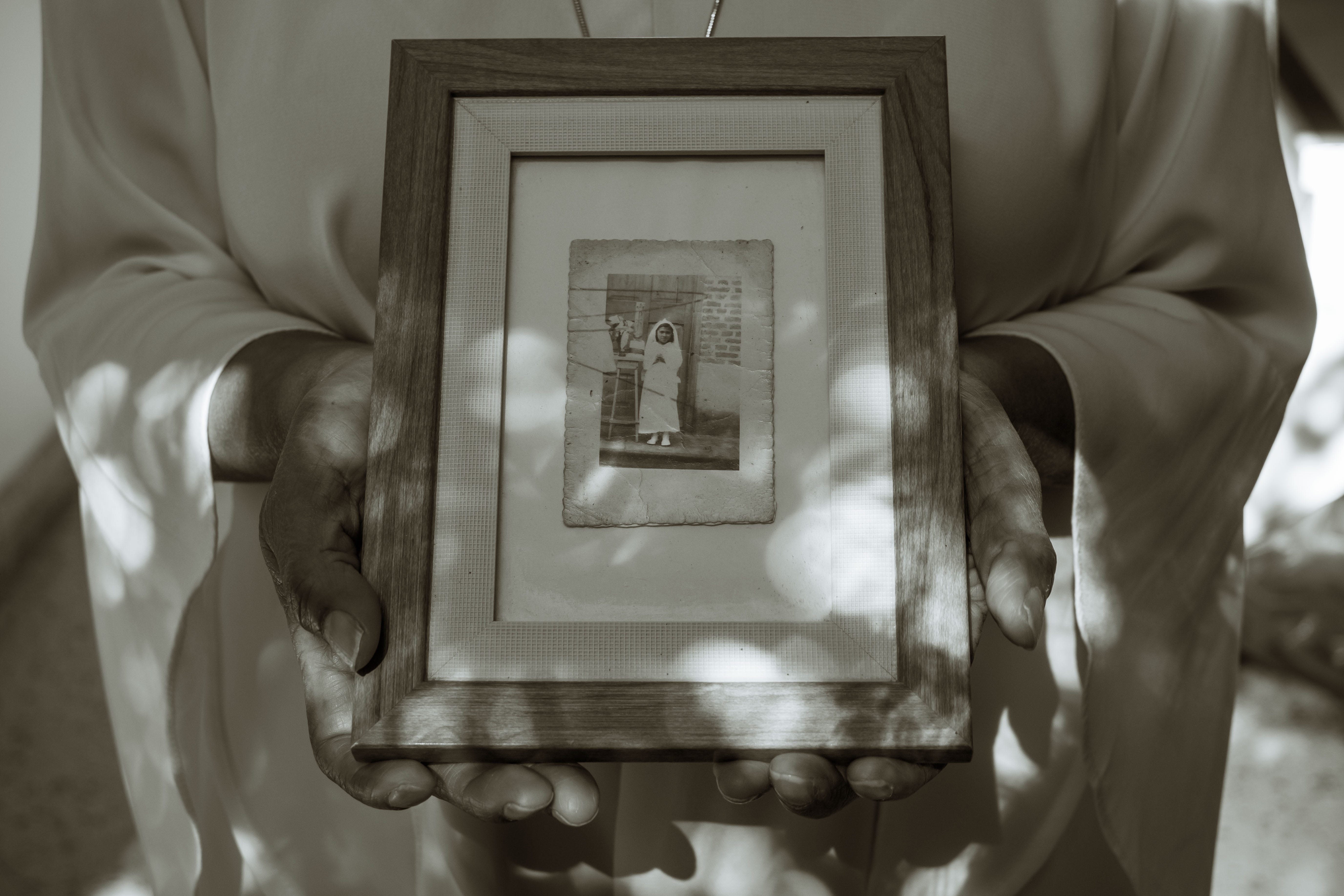
Carefully reported by Romina Aquino González, and with sensitive photography by María Isabel López, the piece immerses the reader in the topic through the stories of criadas — who often experience abuse and exploitation, scarring them for life.

Women like Sandra, who suffered the pain of being sent away from her sisters at the age of 11 to cook and clean for a family that treated her like a slave. Or Julia, who was mistreated, went hungry, and to this day bitterly regrets not being allowed to finish school.
Romina questioned the Colorado Party senator and former US ambassador who thinks criadazgo is “as Paraguayan as football or tereré” — and met with the experts, young people and lawmakers who are campaigning to end it for good.
We also included suggestions for our local readers to take action: from joining a nationwide union of children and teenagers who defend the right to dignified work, to lobbying legislators and learning more about the topic.
Funded entirely by subscriptions from our community of supporters, and available to read for free in English and Spanish, it’s one of the stories we’re proudest to have published to date at the Post.

But the really remarkable thing was what happened next.
After we posted a photo essay with survivors’ stories to Instagram, a trickle of people began to share their own. Then a handful more. Then a flood.
One commenter said she had been a criada from the age of six, suffering “physical and psychological” abuse that almost led her to suicide — and that only five years of therapy, emigrating abroad, and “constant resilience” had saved her.
“I was one of them,” wrote another, “and hugely suffered from the abusive slavery of the family that raised me. They didn’t let me study … it brings me joy to know that at least we’re talking about it more, and that congress is trying to find a solution.”
At the time of publishing, our photo essay on criadazgo had received over 110,000 views and 10,000 interactions, including nearly 250 comments and being shared more than 2,000 times.
Defenders of criadazgo often say it benefits poor kids by giving them bed, board, and an education. But as far as we can tell from this sample, few who go through it have anything positive to say.
In fact, weeks later, the heartbreaking, shocking, and moving stories continue to come in: of parents, grandparents, neighbours and childhood friends who experienced dire neglect and even torture, but still strove to turn their lives around.
One woman recalled being a “a girl without a childhood”, her memories “all of work”. Her own mother had been a criada from the age of eight.
She had made sure her 10-year-old son was able to study and play, with no more responsibilities than taking his plate to the sink, making his bed, and tidying away his toys.
“Thanks to God,” she added, “I broke the chain.”
According to Instagram’s data, nearly 30% of viewers — and many of the commenters — were based in Argentina, indicating this is an issue that crosses borders.
And nearly 75% of the audience were women, suggesting that men are more likely to perceive criadazgo — which mainly affects girls and young women — as an issue that doesn’t concern them.
Much of the value of what we do at the Post is below the paywall.
In this issue of the Weekly Post, for example, we delve into the sudden civil war engulfing Paraguay’s ruling party, fears over a banking crisis spreading from a certain lime-green financial institution, a potential $1bn lawsuit against the government, plus the end of a long-running border wrangle with Bolivia, and more.
We’re proud that G7 embassies, multilateral banks, investors, expats and locals keep coming back to read our incisive coverage of Paraguayan politics, economics, (foreign) policy, the climate, organised crime, security and more.
But if you’re interested in the things that matter beyond boardrooms, we warmly encourage you to support us as well.
That will enable us to keep bringing you human stories from people whose voices are rarely heard — and sparking the conversations that hopefully lead to change.
In Paraguay, you can report a case of child abuse by calling the free hotline Fono Ayuda 147 or visting the local CODENI (child protection office) in your district.
Also in this issue:
Cartes’s grip is slipping · Peña’s growing powerbase · Bankers issue warning, Ueno & BCP hit back · When Santi met Delcy · Brazil unveils rival data-center plans · ATOME threatens to sue Paraguay · Inside the Green Paradise
Want to keep reading? Claim your trial to unlock everything we publish, and access exclusive subscriber benefits.